

What’s “Normal” for My Teen? Teen Development and Understanding Teen Behavior, Sleep, and Moods

Get gentle monthly support and mental health tips from the HEART Counseling team — direct to your inbox.
February is often when parents start asking more questions about their teens. Sleep is off. Chores are suddenly a battle. Many parents wonder: Is this just them being a teenager, or is something actually wrong? Our therapists here in Madison, WI have compiled information from trusted sources to help you better understand teen development and behavior as a whole. We hope to empower you so you can confidently answer the question “What’s normal for my Teen?” and “Would they benefit from therapy?”
If you’re parenting a teen in Madison or anywhere in Wisconsin, you’re not alone. This time of year tends to compound stress for everyone in the family. Below, we walk through what research indicates is developmentally normal for adolescents, and when it may be time to seek extra support and/or therapy for your teen.

“Normal” in the Teen Years Is Broader Than You Might Think
One of the hardest parts of parenting a teenager is that adolescence is not a steady, predictable phase. It’s a period of rapid brain development, identity formation, emotional intensity, and shifting independence.
According to the American Academy of Pediatrics (AAP) and the National Institute of Mental Health (NIMH), teen behavior often looks inconsistent because different parts of the brain are developing at different speeds, especially the emotional regulation and decision-making systems.
When parents ask, “Is this normal?” the answer is . . . it depends, because there’s a range of healthy variation.
What Sleep Patterns Are Normal for Teens?
Most teens need 8–10 hours of sleep per night, according to the Centers for Disease Control and Prevention (CDC) and the American Academy of Sleep Medicine.
Also, teen circadian rhythms typically shift later in the day, so they naturally feel awake later at night and struggle to wake early.
Developmentally normal sleep patterns may include:
-
Difficulty falling asleep before 11 p.m.
-
Sleeping late on weekends to “catch up”
-
Grogginess or irritability in the mornings
-
Increased sleep during growth spurts or emotional stress
When to seek a second opinion:
-
Chronic insomnia or staying awake most of the night
-
Sleeping excessively and still feeling exhausted
-
Sleep changes paired with withdrawal, hopelessness, or declining functioning
Sleep issues alone don’t always signal a mental health concern. If they are happening in conjunction with significant and sudden mood or behavior changes, they’re worth paying attention to. Be sure to also see a doctor in case there is an underlying health or medical cause for sleep changes.

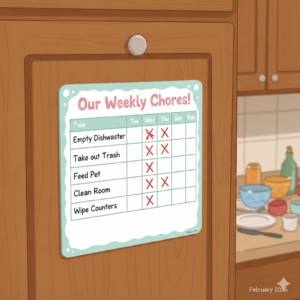
How Many and What Kind of Chores Are “Normal” for Teens?
There’s no set number of chores that’s “correct.” What matters more is consistency, clarity, and fairness.
Research summarized by the American Academy of Pediatrics suggests that chores can support responsibility and self-esteem when expectations are realistic and age-appropriate.
What are some age-appropriate chores for teens?
Each teenager will be different, but a good place to start can be for them to:
-
Be responsible for their bedroom and other personal spaces
-
Manage their laundry
-
Mow the lawn
- Clean bathrooms
What’s normal:
-
Resistance or complaints (even when expectations are fair)
-
Forgetting or procrastinating
-
Wanting more autonomy over how and when tasks get done
What may signal a problem:
-
Complete refusal paired with intense emotional reactions
-
Loss of basic functioning (hygiene, school attendance, daily tasks)
-
Power struggles that escalate into constant conflict or shutdown
Often, chore battles are less about laziness and more about autonomy, overwhelm, or unclear expectations, especially during stressful seasons like winter.
Are Mood Swings Normal for Teens?
Yes. Mood variability is a normal part of adolescent development.
According to the National Institute of Mental Health and the American Psychological Association (APA), teens experience emotions more intensely than adults, partly due to brain development and hormonal changes.
Developmentally typical moods may include:
-
Irritability or frustration
-
Emotional sensitivity
-
Wanting more privacy
-
Strong reactions that pass relatively quickly
More concerning signs include:
-
Persistent sadness or numbness lasting weeks
-
Significant withdrawal from friends or activities
-
Intense anger or hopelessness that doesn’t ease
-
Sudden personality changes or risky behaviors
The key difference is duration, intensity, and impact on daily life.

When Does Teen Behavior Signal They Need Additional Support?
Many parents worry about overreacting, or missing something important.
A helpful guideline from the AAP is to ask:
-
Is this behavior interfering with my teen’s ability to function at school, home, or with peers? All of the above?
-
Has this change lasted more than a few weeks?
-
Does my teen seem distressed, stuck, or unlike themselves?
- Has my teen been assessed by a medical professional for potential underlying health issues?
If the answer is yes, it doesn’t mean something is “wrong”. It means your teen may benefit from mental health support or therapy.
The AAP also recommends checking in with your teen about mental health by having an open and honest conversation with them, especially if you notice they:
-
Are feeling hopeless, worthless, or struggle to view themselves in a positive light for an extended period of time
- Are no longer engaging in or enjoying activities they used to
-
Cancel plans with family or friends without explanation
-
Are experiencing intrusive or worrying thoughts that are impacting their day-to-day life
-
Are showing signs of substance use, abuse, dependence, or
- Are showing signs of self-harm

Trust Your Instincts (Without Blaming Yourself)
You don’t need to diagnose your teen to notice when something feels off.
Seeking guidance from a therapist who works with teenagers isn’t about labeling. Here at HEART Counseling, many of our clinicians provide therapy services for teens here in Madison WI. We aim to give teens a space to explore what’s normal, what’s overwhelming, and what kind of support might help. Many families we work with in Dane County come in simply seeking reassurance and perspective.
A Final Note to Parents
If you’re feeling unsure, tired, or second-guessing yourself, that is normal too.
Teen years are complex and emotional rollercoasters. If you still are feeling unsure about what behavior is and is not normal for your teen, that’s okay. You’re allowed to ask questions, and you don’t have to navigate this alone.
Ready for extra support? Our Madison therapists are here to help when you’re ready.

Ready for extra support? Meet with one of our Madison therapists and start your next chapter.
Share this story...

Heart Counseling is a team of therapists specializing in helping kids, teens, and adults with anxiety and anyone who has experienced an upsetting event. Our mental health therapists are also passionate about perinatal mental health and helping parents at all stages. From kids to adults, we are dedicated to helping you and your family thrive.