
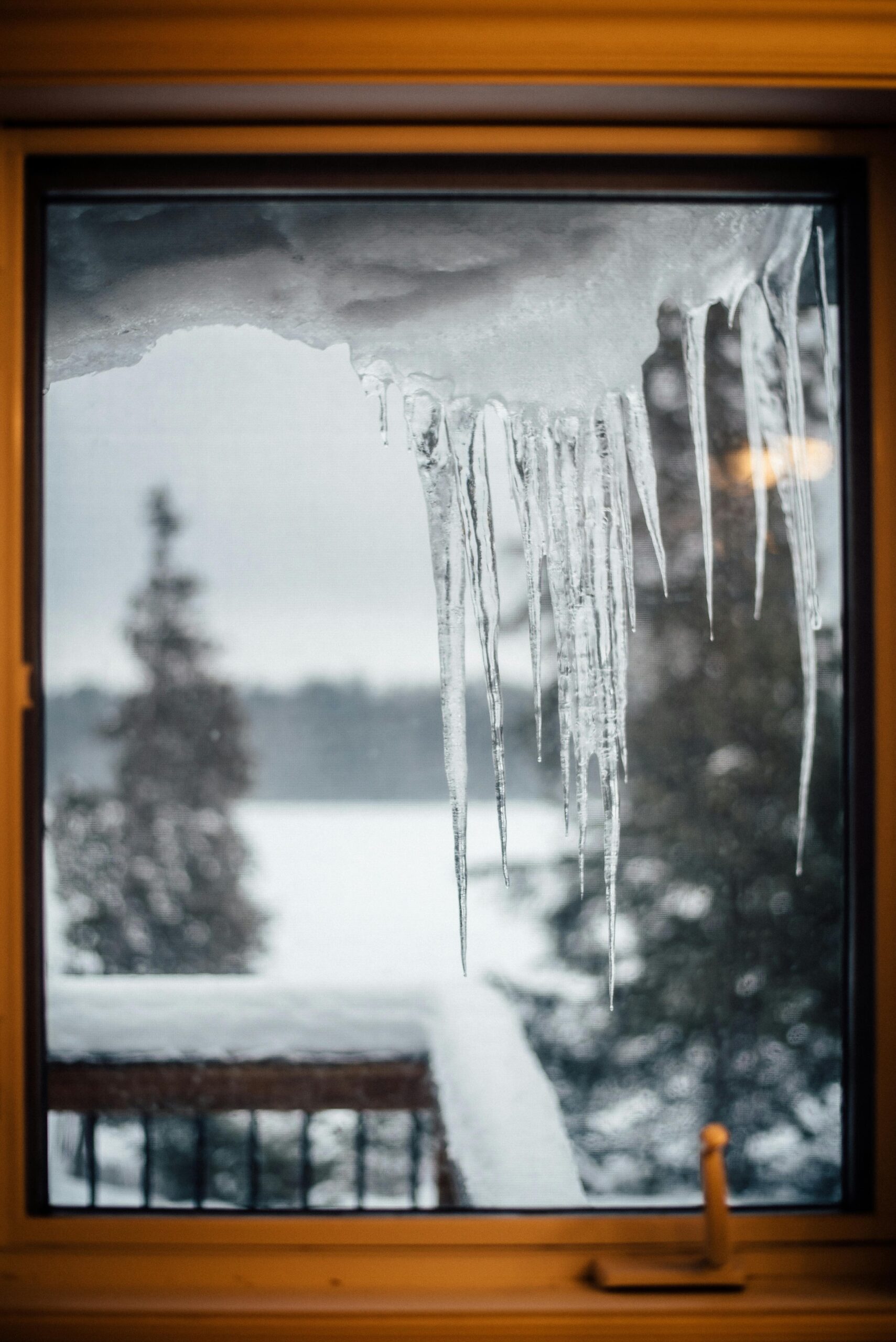
For many people in Wisconsin and across the Midwest, winter depression can be connected to Seasonal Affective Disorder (SAD), a seasonal pattern of depression. Learn some self-care tips for winter depression from our therapists here at HEART Counseling LLC.

Get gentle monthly support and mental health tips from the HEART Counseling team — direct to your inbox.
Winter in Madison, WI is beautiful. The lakes freeze over as snow falls quietly, coating the city with a white blanket. NOAA predicted this Wisconsin winter would be especially cold, with the impacts of La Niña resulting in colder and snowier days and nights than in recent years. If you are noticing these temperatures more than usual right now, the Wisconsin State Climatology Office notes that January 21st to January 30th is typically when the coldest days of winter occur.

Overall, we have noticed that this winter is feeling really hard for the community. The sun goes down before we leave work. Getting out of bed feels like a challenge, much less making it out of the front door. If you’re feeling more drained, more emotional, or more disconnected than usual, you’re not imagining it and you’re not alone. If you’ve lived through trauma, burnout, grief, or chronic stress, winter depression can hit even harder because your body may already be working overtime to keep steady.
If you want to learn more about coping with the transition to shorter days, check out our blog post: “Fall Routine Tips“.
What Is Seasonal Affective Disorder (SAD)?
Seasonal Affective Disorder (SAD) is a type of depression connected to seasonal changes, most commonly starting in late fall and continuing through winter.
SAD can look like:
- Feeling low or anxious for at least 2 weeks
- Feeling exhausted even after sleeping or continuously oversleeping
- Eating more or less than usual
- Feeling irritable, numb, or “empty,” hopeless, and/or worthless
- Feeling like withdrawing or “hibernating” from people and activities you normally enjoy
Physical and Mental Self-Care Tips for Winter Depression in Madison, WI
Trauma-informed care recognizes that depression and seasonal stress aren’t just “mindset issues.” Your nervous system, body, and environment all matter, especially in winter.
Here are some practical ways to support yourself during Wisconsin’s coldest months.
1) Prioritize Natural Daylight Exposure (Even When It’s Cold)
One of the most helpful winter mental health tools is natural daylight exposure. Even when it’s gray outside, natural outdoor light is far stronger than indoor lighting.
Try this:
- Open the blinds right when you wake up
- Drink coffee or eat breakfast near a window
- Take a 5–10 minute morning walk if you can
- Step outside briefly midday, even if it’s just on your porch or sidewalk
- Park farther away from stores so you get a few extra minutes of light

2) Consider a Light Therapy Lamp (If It Fits Your Needs)
Light therapy is commonly recommended for SAD, and some people find it makes mornings easier and improves energy over time. We also mention light therapy in our blog post: “Fall Routine Tips“. For some individuals, light therapy can be an especially helpful tool for coping with winter depression in Madison, WI, as the mid-winter days here become shorter than other areas in the country.
Important note: Light therapy isn’t right for everyone (for example, some people with bipolar disorder may need extra guidance). We recommend discussing it with a mental health or medical professional first.
3) Keep a Gentle Rhythm (Instead of Forcing Motivation)
In winter, many people feel upset with themselves for not being “productive enough.” Don’t be hard on yourself if you’re doing your best.
Instead of trying to force motivation, aim for a supportive daily rhythm:
- Wake up around the same time most days
- Eat at regular intervals
- Build in small moments of movement or light
- Plan one small task and one small comfort each day
- Keep your schedule realistic
4) Move Your Body in a Winter-Friendly Way (Without Punishment)
Movement can be helpful for SAD, but it doesn’t have to look like the gym or a workout plan.
In trauma-informed care, the goal is regulation over performance.
Try movement that feels safe and doable:
- Stretching for 2 minutes after waking (you can even stay in bed while you stretch!)
- Walking through a store or indoor space
- Yoga or mobility videos at home
- One song of dancing in your kitchen
- A short walk during the warmest part of the day
5) Bring Nature Indoors: Houseplants + Biophilia for Mental Health
When everything outside is frozen or gray, indoor plants can have a surprisingly uplifting presence.
Houseplants harness biophilia, the idea that humans benefit from being connected to nature. Even small elements of greenery indoors can feel soothing to the nervous system.
Houseplants can support mental wellness by:
- Making your home feel more alive and comforting
- Offering a small daily routine (watering, checking growth)
- Creating a calming visual anchor
- Supporting a sense of care and connection during isolating months

We recommend snake plants because they are excellent at filtering air and are very low maintenance. NASA’s Clean Air Study found that snake plants are one of the best indoor plants for filtering air, efficiently removing pollutants like benzene, formaldehyde, and trichloroethylene!
Some other beginner-friendly options include:
- Pothos
- ZZ plants
- Spider plants
Reminder: A plant is not a test. Even if it doesn’t make it. . . you’re still a good person.
6) Stay Connected in Madison, WI (Even if You Want to Hibernate)
Winter can quietly increase isolation. SAD can make it feel easier to cancel plans or “hibernate” at home, but connection is one of the most powerful protective factors for mental health.
Here are some low-pressure ways to stay connected in winter:
- Coffee with a friend
- A short daytime walk with a friend, family member, or pet
- A phone call while doing chores
- Sitting in public spaces (library, café) even without talking much

7) Support Your Nervous System with Warmth + Grounding
Sometimes winter depression looks like numbness, shutdown, irritability, and exhaustion.
Here are some acts of self-care that will help calm your nervous system:
- Warm showers or baths
- Heating pads and cozy blankets
- Calming scents (like lavender lotion)
- Comfort shows or familiar music
- Grounding exercises (like the 5-4-3-2-1 method or box breathing)
When to Reach Out for Support
It’s normal to feel “off” in winter. But if you’re noticing:
- Persistent sadness
- Loss of interest in things you normally enjoy
- Changes in sleep or appetite
- Hopelessness
- Feeling like you’re barely making it through the day
…it might be time to reach out.
At HEART Counseling LLC in Madison, WI, our therapists support clients navigating winter depression and seasonal affective disorder (SAD), anxiety, burnout, trauma, and life transitions. Therapy can help you understand your patterns, build coping strategies that fit your life, and feel less alone during the hardest months.
You’re Not Doing Winter Wrong 💛
If winter has been harder than you expected, please know:
You’re not lazy. You’re not weak. You’re not broken.
You’re human and you’re living in Wisconsin, where winter is no joke. If you need support, we’re here.

Ready for extra support? Meet with one of our Madison therapists and start your next chapter!
Share this story...

Heart Counseling is a team of therapists specializing in helping kids, teens, and adults with anxiety and anyone who has experienced an upsetting event. Our mental health therapists are also passionate about perinatal mental health and helping parents at all stages. From kids to adults, we are dedicated to helping you and your family thrive.