

For Mental Wellness Month, we are sharing some tips for you to conquer time management for your mental health.

Get gentle monthly support and mental health tips from the HEART Counseling team — direct to your inbox.
January in Wisconsin is a challenging month. The pace of life slows, daylight is limited, and many people notice shifts in mood, motivation, and energy. During Mental Wellness Month, we often invite clients to step away from “fixing” themselves and instead focus on gentle, supportive ways of caring for their mental and physical health.
One area that comes up a lot in therapy, especially this time of year, is time management. With the beginning of a new year, many focus on self-improvement and making big changes. We try to emphasize time management not as a measure of productivity or discipline, but as a way to reduce stress, support emotional wellbeing, and protect your energy.
Why Time Management Can Feel Especially Hard in Winter
Many people think difficulty with time management means they’re doing something wrong. In reality, struggles with focus and follow-through are often connected to anxiety, overwhelm, burnout, and low mood, and these factors are more common during winter months.
When energy is limited and expectations remain high, it’s easy to fall into patterns of procrastination or avoidance. From a mental health perspective, these are often signs that your nervous system is overloaded, not that you’re unmotivated.
Start With Awareness, Not Self-Criticism
At HEART Counseling, we encourage curiosity over judgment. Before trying to change how you manage your time, it can be helpful to simply notice:
-
When your energy feels highest or lowest
-
Which tasks feel most draining
-
What tends to get postponed and why
Awareness creates choice. When you understand your patterns, you can respond with more compassion and flexibility.
Digital Wellbeing: A Gentle Place to Begin
One often-overlooked factor in time management and mental health is technology use. Our phones are designed to pull our attention, especially when we’re already tired or overwhelmed.
A simple first step is checking your phone’s built-in tools:
-
Daily and weekly app usage
-
Number of notifications and phone pick-ups
-
Sleep and activity data through health apps
Many people are surprised by what they learn. I presents an opportunity to make intentional choices. Even small changes, like turning off non-essential notifications or setting app limits, can reduce mental clutter and support emotional regulation. If technology use feels compulsive or is affecting your sleep, mood, or relationships, this is something that can be meaningfully explored in therapy.
If you are looking for ways to guide your children towards safer and healthier technology use, visit our blog post here.
Time Management Strategies That Support Mental Health
Rather than pushing yourself harder, consider approaches that work with your nervous system:
-
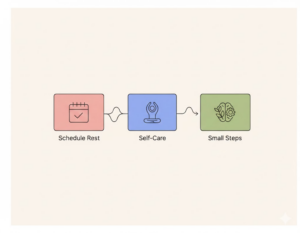
Break tasks into small, manageable steps
-
Schedule rest, meals, and self-care as non-negotiables
-
Use routines as flexible supports, not rigid rules
-
Take breaks when you feel stuck (both mental and physical) movement and rest matter
-
Aim for “good enough” to get started; momentum often follows
These strategies help reduce overwhelm and create a sense of safety and predictability, both of which are essential for mental wellbeing.
For Students: Compassion and Structure During a Demanding School Season
Students often juggle academics, work, relationships, and financial stress, often while still identifying routines that work for them. Winter can intensify burnout and make deadlines feel heavier.
A few supportive strategies include:
-
Scheduling study time consistently each week
-
Studying in spaces that support focus (not your bed)
-
Using planners or weekly check-ins to stay oriented
-
Trying techniques like body-doubling or timed study sessions
-
Reaching out for help early before stress becomes overwhelming
We regularly work with students navigating anxiety, burnout, and academic pressure, and therapy can be a supportive space to build skills while also tending to emotional health. Learn more about our experienced student interns, Elise and Savannah, both who enjoy working with teens and young adults experiencing school-related challenges.
A Gentle Reframe for January
At its core, time management isn’t about doing more. Time management is about making space for what matters: rest, connection, and mental health. It’s okay to move more slowly and adjust expectations, especially during a Midwest winter.
If stress, low mood, or overwhelm are making it hard to follow through on even simple plans, support can make a meaningful difference.
As we move through Mental Wellness Month, we invite you to take things one step at a time. Small, compassionate changes are often the ones that last.

Ready for extra support? Meet with one of our Madison therapists and start your next chapter.
Share this story...

Heart Counseling is a team of therapists specializing in helping kids, teens, and adults with anxiety and anyone who has experienced an upsetting event. Our mental health therapists are also passionate about perinatal mental health and helping parents at all stages. From kids to adults, we are dedicated to helping you and your family thrive.