

Coercive Control in Relationships | Recognizing the Signs and Healing from Trauma
HEART Counseling offers trauma-informed therapy for relationship trauma in Madison and throughout Wisconsin. We offer people support in recognizing unhealthy relationship patterns, processing difficult experiences, and rebuilding trust in themselves. At HEART Counseling, we believe that understanding the connection between coercive control and trauma can be an important part of healing.
Written By: Elise Reichle, APSW
If you’ve experienced emotional abuse, manipulation, or controlling behavior in a relationship, you may still be trying to understand how those experiences have affected you.

Get gentle monthly support and mental health tips from the HEART Counseling team — direct to your inbox.
What Is Coercive Control in Relationships?
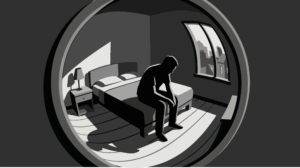
Emotional abuse can leave someone feeling isolated, even when they aren’t physically alone.
Coercive control is a pattern of behaviors used to gain power over another person in an intimate relationship. Unlike a single argument or disagreement, coercive control involves repeated attempts to limit someone’s independence, choices, and sense of safety. These behaviors may be difficult to recognize, especially when they are presented as love, concern, or protection.
Coercive control can take many forms, including:
- Isolation: Discouraging or preventing contact with friends, family, or other support systems.
- Financial control: Restricting access to money, monitoring spending, or interfering with someone’s ability to work.
- Monitoring: Tracking someone’s location, checking private messages, or demanding constant communication.
- Emotional manipulation: Using guilt, shame, threats, or intimidation to influence decisions.
- Controlling independence: Dictating what someone wears, where they go, or whom they spend time with.
- Threats: Using fear of consequences to prevent someone from setting boundaries or leaving.
These behaviors can develop gradually, making it difficult to recognize how much control has developed within a relationship. Moreover, periods of affection, apologies, or reassurance may create confusion about what is happening. Someone may know certain behaviors feel hurtful without recognizing the larger pattern of emotional abuse.
Research by Myhill and Hohl (2019) emphasizes the importance of understanding patterns of domination rather than focusing only on individual incidents. Recognizing these patterns can help explain why someone may feel unsafe or trapped, even without experiencing physical violence. Emotional abuse can have consequences for a person’s independence, identity, and well-being.
The Hidden Side of Relationship Trauma

What others see may be only a small part of someone’s experience with coercive control.
Imagine an iceberg floating in the water, with only a small portion visible above the surface. Physical violence may represent the visible portion, while manipulation, isolation, monitoring, and financial restrictions remain hidden beneath the water. Although these behaviors may go unnoticed by others, their combined impact profoundly shape someone’s everyday life.
Someone may appear free to leave a relationship while facing emotional, financial, or practical barriers. This distinction matters because leaving a controlling relationship is often more complicated than it appears from the outside.
How Coercive Control Can Affect Mental Health

Coercive control often involves patterns of behavior rather than a single harmful incident.
Living with repeated control, intimidation, or manipulation can affect how someone experiences safety, trust, and connection. When a person regularly anticipates criticism or conflict, they may begin changing their behavior to avoid upsetting their partner. Over time, this ongoing stress can contribute to anxiety, exhaustion, and difficulty trusting personal judgment.
Some common experiences associated with relationship trauma include:
- Feeling responsible for managing a partner’s emotions.
- Questioning your memory, judgment, or perception of events.
- Feeling anxious when making decisions independently.
- Becoming disconnected from friends, family, or personal interests.
- Experiencing guilt when setting boundaries or expressing needs.
- Struggling to feel safe, even after a controlling relationship ends.
These responses can develop as ways of navigating an unpredictable or threatening environment. However, they do not mean someone is weak or responsible for the harm they experienced. Understanding these reactions through a trauma-informed perspective can help reduce self-blame and support a greater sense of compassion toward oneself.
Research on intimate partner violence has identified connections between abusive relationships and symptoms of anxiety, depression, and post-traumatic stress (Burelomova et al., 2018). Not everyone who experiences coercive control develops these symptoms, and the impact of relationship trauma varies from person to person. Still, emotional harm deserves attention, even when someone does not identify with a specific mental health diagnosis.
Why Leaving a Controlling Relationship Isn’t Always Simple
People sometimes wonder why someone would remain in a relationship involving emotional abuse or coercive control. However, this question can overlook the circumstances making change difficult, complicated, or unsafe. A more supportive question is what barriers someone may be facing and what resources could help them feel safer.
Financial dependence, shared parenting responsibilities, housing concerns, threats, and limited support systems can all influence someone’s choices. A person may also love their partner, remember periods of connection, or hope the relationship will improve. These feelings can exist alongside fear, confusion, and an awareness of harmful behavior.
Importantly, leaving a controlling relationship can sometimes increase the risk of retaliation or violence. Therefore, encouraging someone to leave without considering their safety may overlook the risks involved. Support should prioritize safety, access to resources, and the person’s ability to make informed decisions about their own life.
How Relationship Trauma Therapy in Madison Can Help

Connection and control can become difficult to distinguish when a relationship affects your freedom to choose.
Therapy can provide a space to explore difficult relationship experiences without pressure to make immediate decisions. For people seeking relationship trauma therapy in Madison, trauma-informed counseling can help them understand patterns of control, process emotional experiences, and reconnect with their sense of independence. The goal is not to tell someone what to do, but to support their ability to make choices aligned with their needs and safety.
1. Recognizing Emotional Abuse and Controlling Patterns
People experiencing coercive control may struggle to describe what feels wrong in their relationship. A therapist can help identify recurring patterns, explore controlling behaviors, and distinguish between everyday relationship disagreements and ongoing restrictions on autonomy.
Having language for these experiences can help reduce confusion and support greater self-understanding.
2. Rebuilding Trust in Yourself
Repeated criticism, manipulation, or intimidation can make someone question their thoughts, feelings, and decisions. Therapy can support the process of reconnecting with personal values, identifying emotional needs, and rebuilding confidence in everyday choices. This work often happens gradually, especially when someone has spent considerable time prioritizing another person’s reactions.
3. Processing Relationship Trauma
Trauma-informed therapy can help people understand how stressful relationship experiences affect their thoughts, emotions, and responses to perceived danger. Depending on someone’s needs, treatment may involve developing coping strategies, processing difficult memories, or exploring how past experiences influence current relationships. Approaches such as EMDR, cognitive behavioral therapy, and other trauma-focused methods may be helpful when clinically appropriate.
4. Exploring Boundaries and Emotional Safety
Setting boundaries in a controlling relationship can carry risks, particularly when a partner responds with threats or retaliation. A therapist can help someone explore those concerns, consider available resources, and identify what feels possible within their circumstances. When appropriate, therapy can also include referrals to domestic violence advocates who provide specialized safety planning and support. If you are looking for referrals or help, see the resources at the end of the post.
5. Understanding Relationships After Abuse
The effects of coercive control may continue long after a relationship ends. Someone might struggle with trust, feel anxious in new relationships, or question whether their needs and boundaries are reasonable. Therapy can provide support while they explore what safety, respect, and connection mean to them moving forward.
Healing from Relationship Trauma Takes Time

Healing can involve reconnecting with your choices, boundaries, and sense of self.
People who have experienced coercive control sometimes look back and wonder why they did not recognize the behavior sooner. Yet controlling patterns can develop slowly, and harmful actions may be mixed with affection, apologies, or promises of change. Recognizing abuse can take time, particularly when someone has been encouraged to doubt their own experiences.
Coercive control can affect people of any gender or sexual orientation, although experiences and risks are not distributed equally. Research by Chen and colleagues (2020) highlights differences in intimate partner violence experiences across sexual orientation groups, reinforcing the importance of inclusive support. Everyone deserves to have their concerns taken seriously without assumptions about what abuse should look like.
Healing does not require someone to have all the answers or feel ready to make major changes. Instead, it may begin with understanding what happened, recognizing personal needs, or finding someone who will listen without judgment. Progress can look different for everyone, and each person’s circumstances deserve consideration.
Finding Relationship Trauma Therapy in Madison, WI
If you’re questioning patterns of control in a current or past relationship, you don’t have to figure everything out alone. Relationship trauma therapy in Madison, Wisconsin can provide a peaceful space to understand your experiences, explore the effects of emotional abuse, and begin reconnecting with your sense of self. You can start wherever you are, without needing to make decisions about your relationship before seeking support.
At HEART Counseling, we offer individual and couples therapy for people navigating trauma, anxiety, emotional well-being, and relationship concerns in Madison, Wisconsin, and the surrounding area. Our trauma-informed approach emphasizes compassion, collaboration, and respect for each client’s experiences and autonomy. Therapy is not about someone else taking control of your choices. Therapy is about helping you feel more connected to your own voice, and achieving your own goals.

Ready for extra support? Meet with one of our Madison therapists and start your next chapter.
If you’re experiencing abuse or are concerned about your safety, specialized support is available. The National Domestic Violence Hotline offers confidential support and safety-planning resources at 800-799-SAFE (7233), or by texting START to 88788. If you are in immediate danger, call 911 when safe to do so.
About the Author: J. Elise Reichle, APSW, is a therapist at HEART Counseling in Madison, Wisconsin, who supports individuals navigating trauma, anxiety, life transitions, and identity exploration. With a strengths-based, trauma-informed approach, Elise draws on her training in Internal Family Systems (IFS), cognitive behavioral therapy (CBT), and trauma-focused CBT to help clients better understand their experiences and build meaningful connections with themselves and others. She values creating a compassionate, nonjudgmental space where clients feel heard, supported, and empowered to explore and heal at their own pace.
References, Research, and Further Reading
- Myhill, A., & Hohl, K. (2019). The “Golden Thread”: Coercive Control and Risk Assessment for Domestic Violence. Journal of Interpersonal Violence.
- Dichter, M. E., et al. (2018). Coercive Control in Intimate Partner Violence. Psychology of Violence.
- Chen, J., Walters, M. L., Gilbert, L. K., & Patel, N. (2020). Sexual Violence, Stalking, and Intimate Partner Violence by Sexual Orientation, United States. Psychology of Violence.
- Burelomova, A. S., Gulina, M. A., & Tikhomandritskaya, O. A. (2018). Intimate Partner Violence: An Overview of the Existing Theories, Conceptual Frameworks, and Definitions. Psychology in Russia: State of the Art.
- De Coster, S., & Heimer, K. (2021). Unifying Theory and Research on Intimate Partner Violence: A Feminist Perspective. Feminist Criminology.
- Rieger, A., et al. (2023). Contradictions in Change: Ecological Factors in the Implementation of Outer Layer Sexual Violence Prevention. American Journal of Community Psychology.
Share this story...

Heart Counseling is a team of therapists specializing in helping kids, teens, and adults with anxiety and anyone who has experienced an upsetting event. Our mental health therapists are also passionate about perinatal mental health and helping parents at all stages. From kids to adults, we are dedicated to helping you and your family thrive.